
Ayurveda
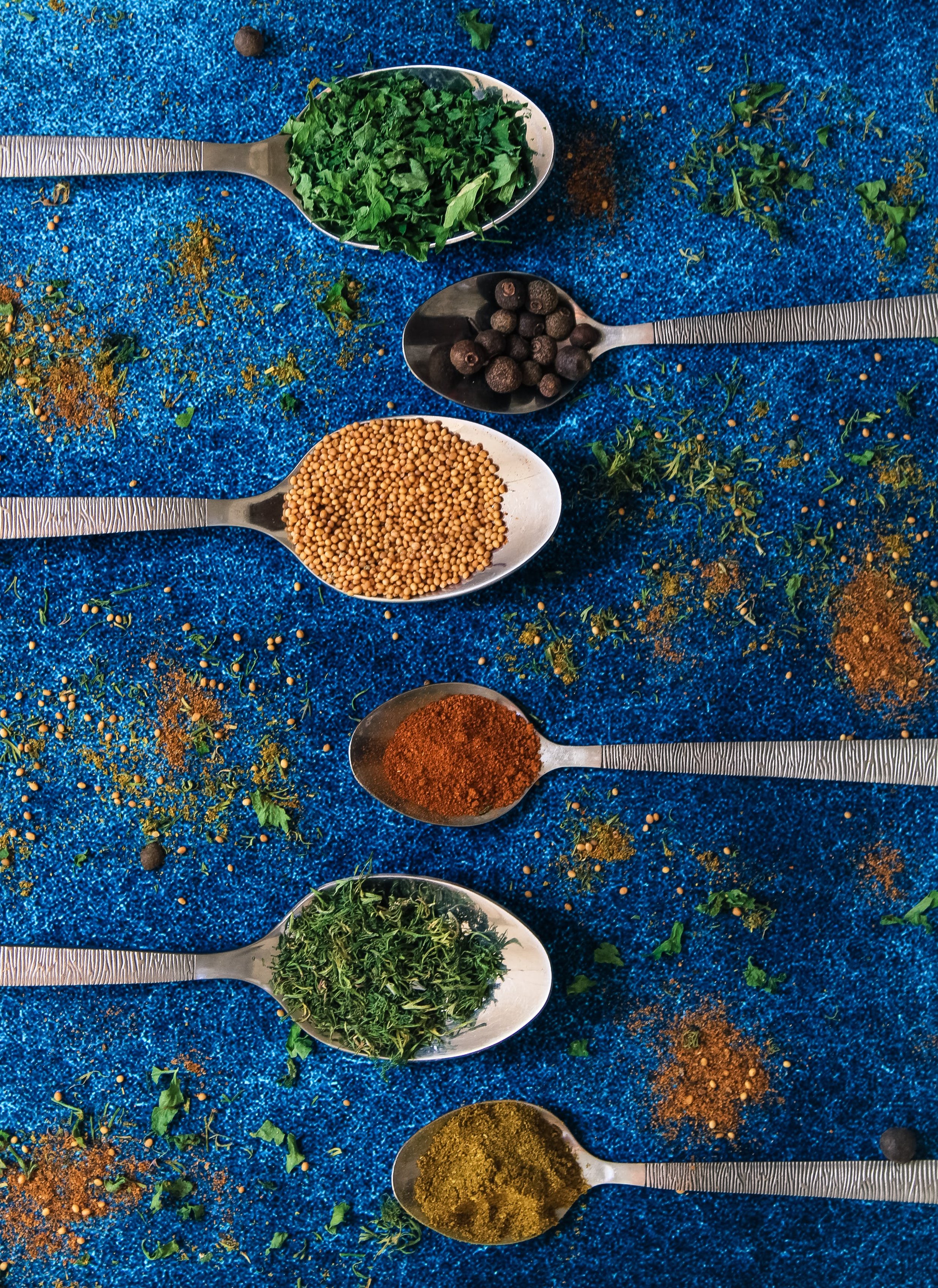
Ayurveda originated in India more than 5,000 years ago and is the oldest continuously practiced healthcare system in the world. It translates to “the science of life” and is considered a “sister” practice to yoga. This system teaches us that the universe is composed of five elements: ether, air, fire, water and earth. Just like Mother Nature, every human being is made up of all five elements, and every human has a unique combination of these elements that change over time.
The elements combine and form three doshas/body types which are referred to as vata, pitta and kapha. Each body type has their own set of qualities/gunas. Two important principles of Ayurveda are, “like increases like” and “opposites bring balance.” An Ayurvedic Health Counselor will pay attention to which qualities appear elevated/imbalanced with the client and therefore determine much of the recommendations given. Vata is a combination of ether and air and is dry, light, cold, mobile and subtle. Pitta is a combination of fire and water and is oily, sharp, penetrating, hot and spreading. Kapha is a combination of earth and water and is heavy, dull, stable, cool and sticky. The unique combination of these doshas is expressed through one’s physical, mental and emotional states of being.
Ayurveda focuses on living in harmony with the rhythms of nature. Not only is each season represented by a dosha (Winter/Fall: Vata, Summer: Pitta, Kapha: Spring), there is also an Ayurvedic AM & PM clock. In addition to that, there are six flavors/rasas in Ayurveda, each having two dominant elements. The famous words of Dr. Rosy are, “Ayurveda is everywhere and everything!” Imbalances can occur when we step out of the daily and seasonal rhythms. Eating seasonal foods and honoring the daily sun and moon cycles are supportive of one’s internal harmony and health.
An Ayurvedic approach addresses a person’s unique needs by reviewing their current emotional, mental, and physical state. The goal is to awaken one’s inner wisdom and bring harmony in the areas that have lost balance. Ayurveda can be helpful for anyone struggling with: Brain fog, Fatigue, Body Aches, Digestive Problems, Sleep Issues, Skin Issues, Energy, Motivation/enthusiasm, Anxiety, Depression
Because the Ayurvedic approach views each client as an intricate and unique being, an initial Ayurvedic Consultation is 90 minutes. Much is discussed in great length at the consultation such as: digestion, bowel movements, menstrual cycle, sleep habits, coffee/alcohol/beverage consumption, phone health, self care practices, food consumption, meal times, relationship with self/others, morning routine, bedtime routine and much more. It is important to note that conscious listening and non-judgement is regarded highly by Meg, who strives to create a safe space for healing and discussion during the consultation. An Ayurvedic Health Counselor’s scope of practice involves recommending diet and lifestyle changes.
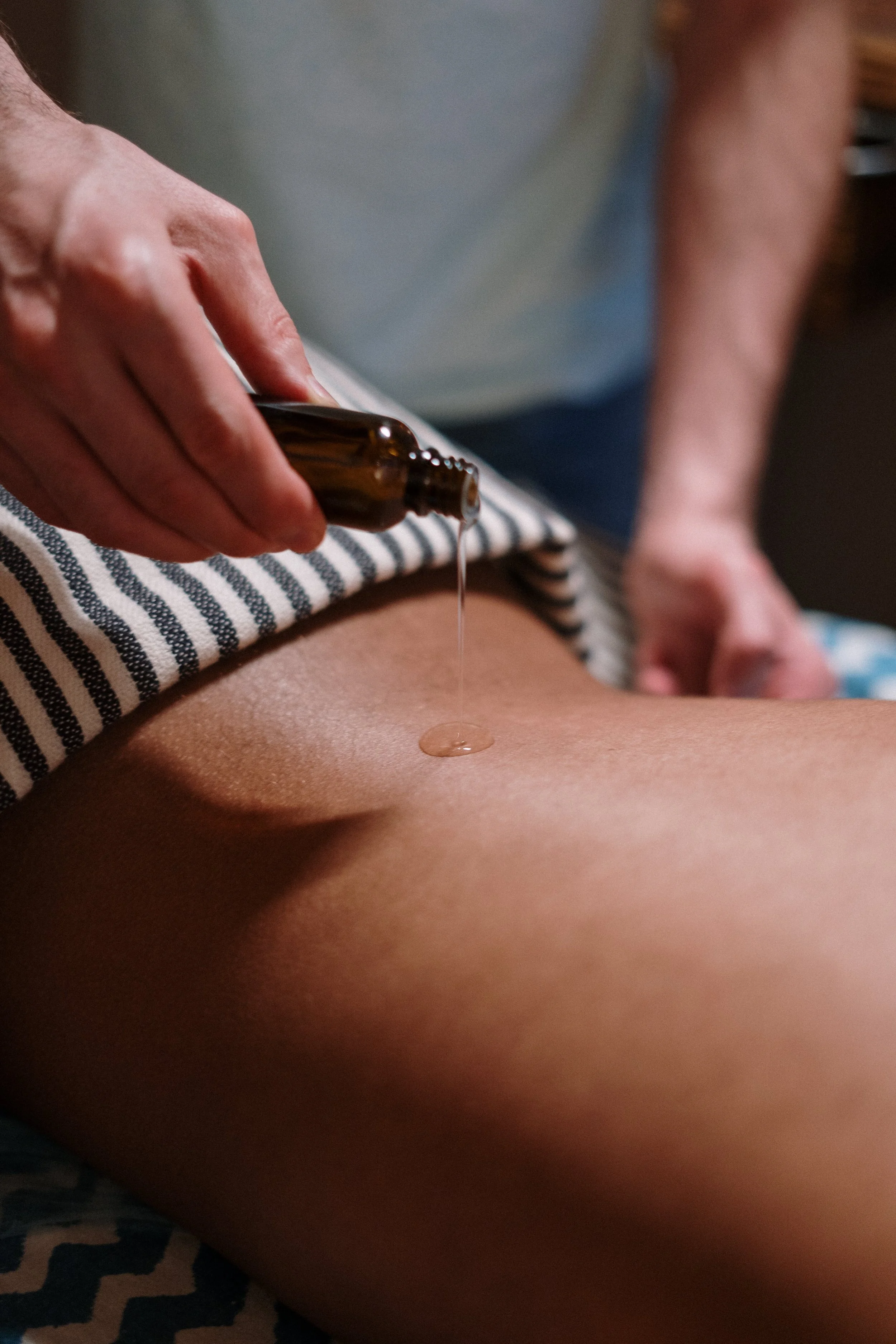
In addition to consultations, Ayurveda offers bodywork to help balance the doshas and nurture the tissues. Abhyanga is an Ayurvedic oil massage that involves lighter pressure, intention setting, seasoned oils, and oxytocin release to bring balance.
Yoga
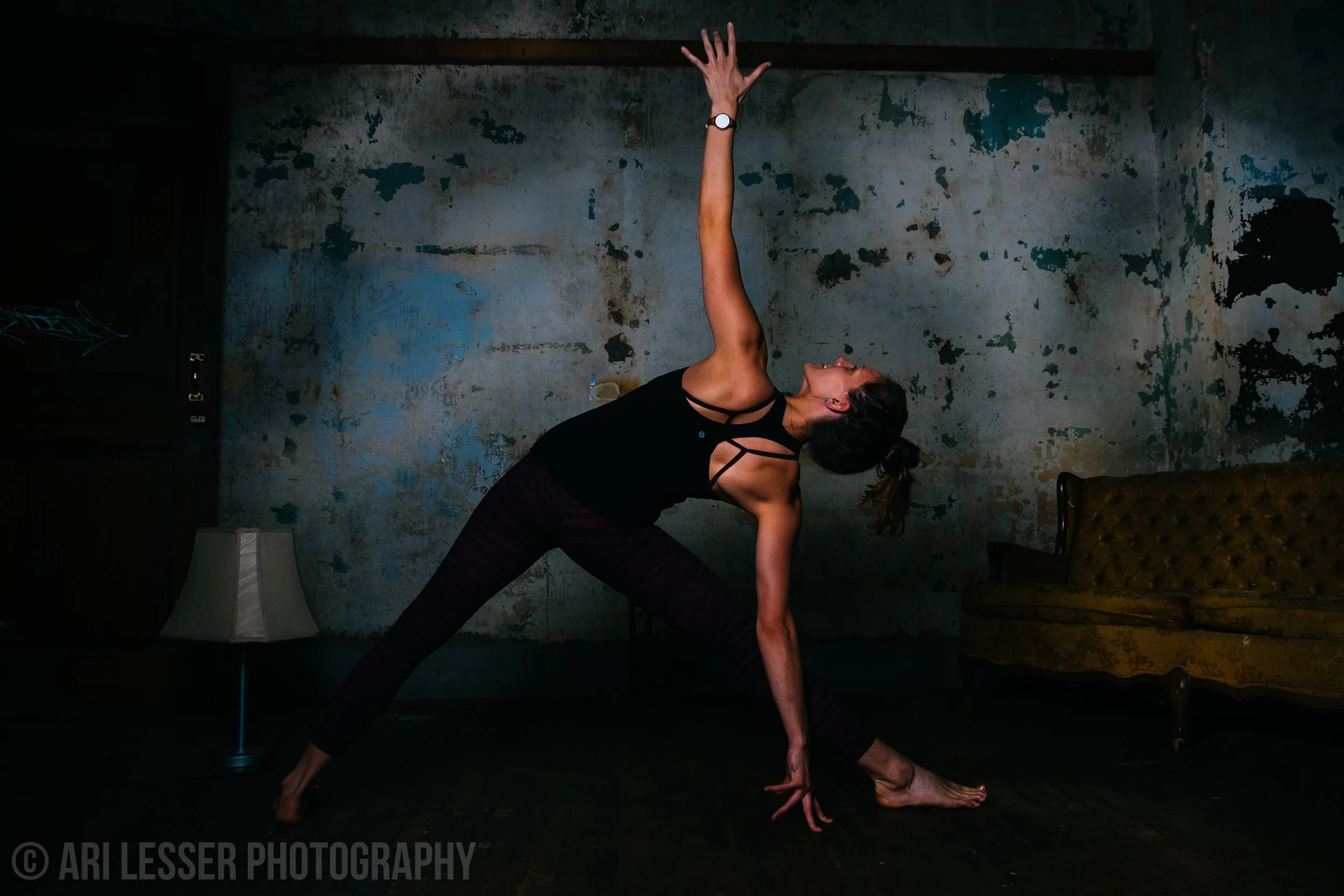
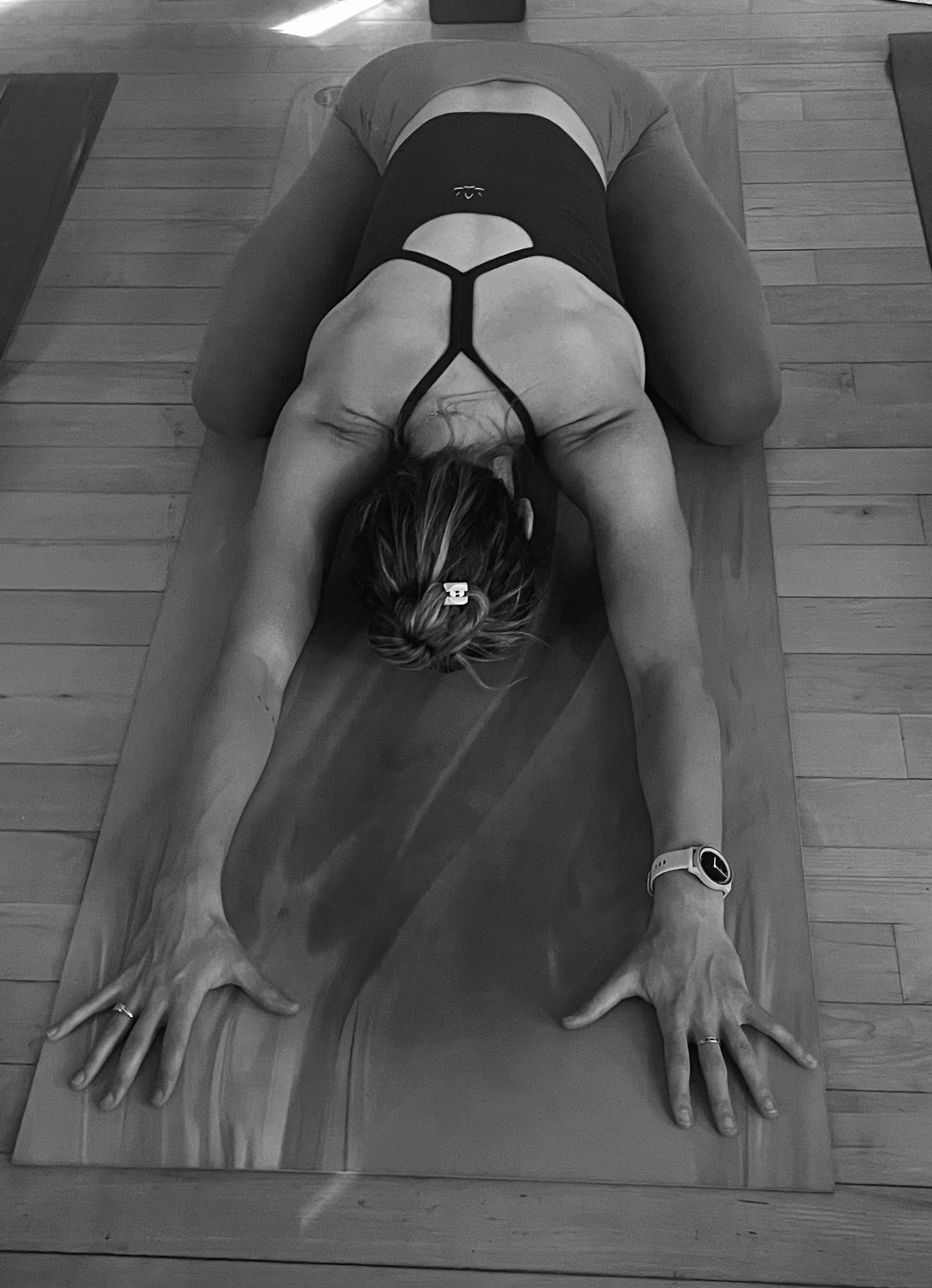
Catch Meg in Manchester and Bedford at Humble Warrior Power Yoga teaching Flow and Power classes.
If you’re interested in learning about how your yoga practice can support you during each season (doshic balancing yoga, using the wisdom of Ayurveda to bring balance), email Meg at meg@vitetejas.com
Massage Therapy
Swedish Massage: Swedish massage is the most widely practiced type of massage therapy. There are a variety of techniques used in Swedish massage including gliding, squeezing, rolling, kneading, and circular friction movements. Different layers of depth and speed are used.
Deep Tissue Massage: Deep tissue massage is a massage technique that’s mainly used to treat musculoskeletal issues. It involves applying sustained pressure using slow, deep strokes to reach the inner layers of your muscles and connective tissues.This helps to break up scar tissue and reduce tension in muscle and tissue. Note: Meg warms up the muscles with lighter pressure and progressively reaches a more firm and deep pressure as to not shock the nervous system.
Reflexology: Reflexology is a type of massage that involves applying different amounts of pressure to the feet. It’s based on a theory that these body parts are connected to certain organs and body systems.
Lymphatic Drainage Massage: Lymphatic drainage massage is a form of gentle massage that encourages the movement of lymph fluids around the body. The fluid in the lymphatic system helps remove waste and toxins from the tissues. The pressure is very light as the lymph system is just under the skin. Lymphatic work does not reach the muscle.
Esalen/Somatics Massage: Somatic massage therapy focuses on areas of pain or trauma and applies physical techniques for healing. The cells and muscle tissue can hold on to trauma and store it until it is released. The strokes are slow and connected, typically always having a ‘mothering hand’ in touch with the client’s body. This session is very fluid.
Abhyanga: A full body Ayurvedic massage that involves warm oil and long, flowing, rhythmic strokes that help relax the nervous system. This session is 60 minutes in length and follows a specific sequence. The goal of abhyanga is to rub the oil into the body to nourish the tissues, the pressure is not deep and does not focus on muscle tension. The session begins in a seated position with pouring warm oil in the hair and on the scalp, then continues with face up position, and face down. Note: You must specify with Meg prior to the session that you are requesting Abhyanga.
Cupping: A treatment that helps relieve muscle tightness and increases circulation. Cups will be used creating a suction that promotes blood flow and chi to the compressed area and helps increase the body’s own healing process. Note: Cupping marks (these are not bruises) may last a few days following the session.
Energy Work:
Craniosacral Therapy: Craniosacral therapy is a gentle, hands-on treatment technique that encourages the body to heal itself. This therapy gently encourages the production and distribution of the cerebrospinal fluid. During a session the therapist will monitor the craniosacral rhythm. To achieve balance, the therapist may induce a still point to momentarily stop the rhythm, which allows the body to self regulate and encourage a more balanced flow. This is a very supportive treatment for addressing emotional trauma.
Reiki: Reiki (pronounced "Ray-Key") is an ancient, natural healing art that dates back for thousands of years. The Japanese word Reiki simply translates as Universal Life Force Energy. Reiki is not a massage, yet it is a gentle laying on of hands over multiple body sites to transfer Universal Life Force Energy. Reiki is deeply relaxing, calming and soothing.
It is common for sessions to be a blend of multiple modalities.
What can massage therapy help with?
Decrease physical pain, ease emotional tension, improve sleep, decrease stress, enhance immunity, reduce fatigue, recovery from injury or illness and much more.
Your Session
Meg’s goal for each session is to calm the central nervous system and create a space for healing and unwinding. Clients should arrive ten minutes early for their first session to consult with their therapist. During this time, medical history, symptomatology and goals for the session will be reviewed. The client will undress to their comfort level and only the area being worked on during the massage will be undraped. Along with soft tissue work, the massage therapist may incorporate passive stretching, body rocking, energy work, and intentional breathing as needed by each client’s body. Hydration is critical after each massage. Massage therapy is typically most effective with consistent sessions.